MAAFA 21: BLACK GENOCIDE IN THE 21ST CENTURY
Maafa 21: Black Genocide in 21st Century America is an anti-abortion documentary film made in 2009 by pro-life activist Mark Crutcher to turn African America...
Maafa 21: Black Genocide in 21st Century America is an anti-abortion documentary film made in 2009 by pro-life activist Mark Crutcher to turn African Americans against Planned Parenthood. The film, which has been enthusiastically received by anti-abortion activists, argues that the modern-day prevalence of abortion among African Americans is rooted in an attempted genocide or Maafa of black people.
The film repeats elements of an American conspiracy theory called black genocide, using many of the same arguments as the Black Panther Party and the Nation of Islam in the early 1970s. It misuses statistics to induce in the viewer a fear of birth control and abortion. The film alleges that the eugenics movement targeted African Americans in the 19th and 20th centuries, that this was the basis for the creation of the American Birth Control League (now Planned Parenthood) by Margaret Sanger, and that this kind of race genocide continued in the form of the abortion-rights movement of the 20th and 21st centuries. The film puts forward the idea that Sanger was a racist who worked to reduce the population of blacks, and that Planned Parenthood is continuing this program. Sanger is implicated as an ally of Nazism and Adolf Hitler. *The Melanin Project doesn't endorse or denounce this documentary it is simply presented for discussion and educational purposes. https://TheMelaninProject.org

The New Moon Solar Eclipse in Aquarius marks a quiet beginning and a release of what no longer fits. This reflection offers intuitive guidance for each zodiac sign, along with supportive crystal energy to help you move forward with clarity, truth, and intention.
February invites gentle reflection, emotional honesty, and meaningful inner growth across the zodiac. Each sign is guided toward healing, rest, authentic expression, and supportive connection through intuitive insight, journal reflection, and trauma-informed integration practices. This month encourages moving forward with compassion, clarity, and deeper self-trust.
Dr. Martin Luther King Jr. was one of the most influential figures in American history. As the face of the civil rights movement, his leadership and commitment to nonviolent protest reshaped the national dialogue around race, equality, and justice. His assassination on April 4, 1968, in Memphis, Tennessee, shocked the nation and the world.
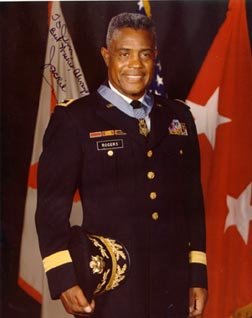
Major General Rogers’ life and career exemplified the highest values of the United States military—honor, courage, and selfless service. His battlefield heroism, exemplary leadership, and post-military contributions have left an indelible mark on the United States Armed Forces and American history. As a soldier, leader, and mentor, his story continues to inspire future generations to serve with distinction and uphold the values he so passionately defended.
Wilt Chamberlain’s legendary 100-point game, a remarkable feat in NBA history, occurred on March 2, 1962—a date that holds significant importance as it marks 63 years since this extraordinary event. On that fateful day, Chamberlain, a formidable player for the Philadelphia Warriors, took on the New York Knicks at Hershey Sports Arena in Hershey, Pennsylvania. The Warriors emerged victorious with a score of 169-147, but the true significance of the game lies in Chamberlain’s individual accomplishment.
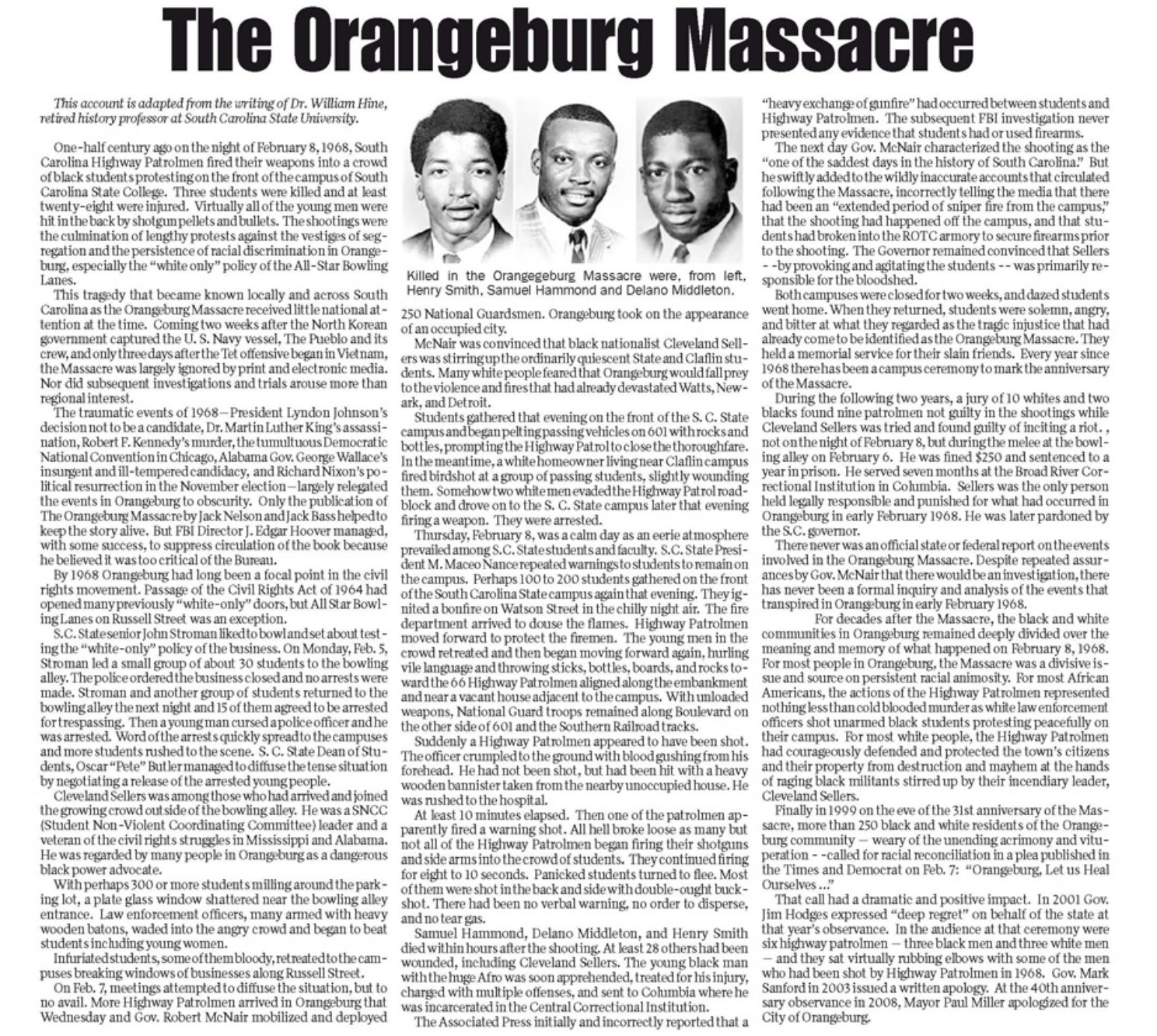
The Orangeburg Massacre occurred on February 8, 1968, at South Carolina State University in Orangeburg, South Carolina, culminating a series of protests led by students from South Carolina State College and Claflin University against the racial segregation practices at the local All-Star Bowling Lane. Over several days, these students sought to desegregate the facility as part of broader civil rights activism.
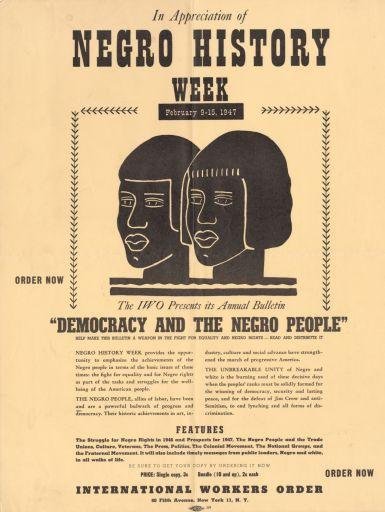
Black History Month, observed annually in February across the United States and Canada, traces its origins to "Negro History Week," initiated by historian Carter G. Woodson in 1926.
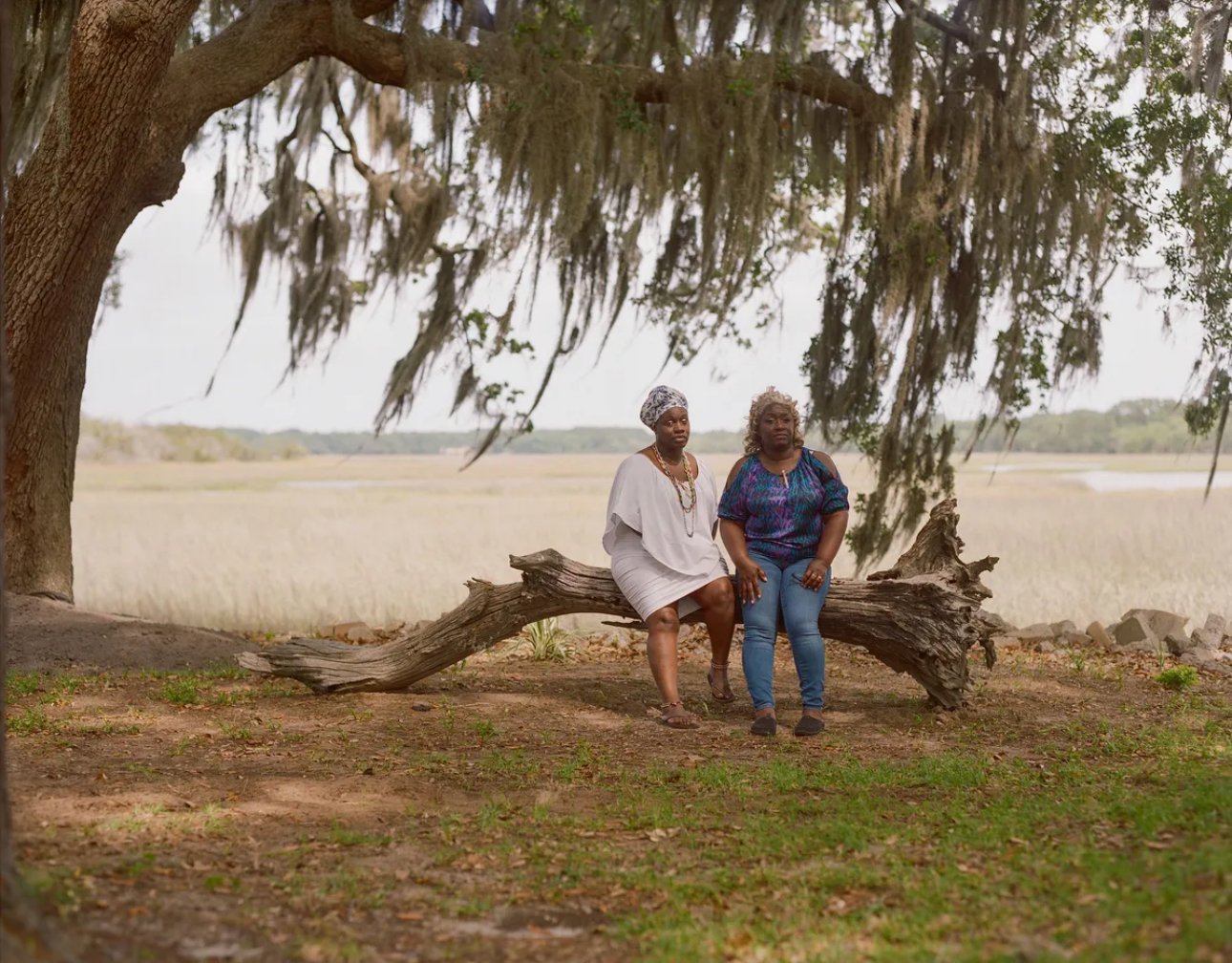
While it is a concept rooted in family heritage and shared legacy, heirs' property has become a double-edged sword for the Black community in the United States, particularly in the rural South. This type of ownership has not only shaped the cultural and economic landscapes of these communities but also contributed significantly to the erosion of Black wealth and the loss of inheritance over the decades.
In April 1957, Johnson Hinton came upon a couple of police officers who were clubbing a man named Reese V. Poe on the corner of 125th Street and 7th Avenue in Harlem. Hinton called out to the officers: “You’re not in Alabama – this is New York! ” The police then turned their nightsticks on Hinton clubbing him and cracking his skull. The officers subsequently handcuffed Hinton and took him to the 28th precinct stationhouse. By the time the evening arrived, over 2,000 people were surrounding the precinct demanding that Hinton be provided with adequate medical attention.
Johnson X Hinton, it turns out, was a black Muslim who belonged to Mosque Number Seven, the largest mosque in the country – led by a 31-year-old preacher named Malcolm X.
March arrives with a soft sense of completion. You may feel it subtly, a quiet awareness that something has come full circle. The lessons, the stretching, the growth have shaped you more than you realized. There is integration here. A settling.
The guidance now is gentle but steady. Move slowly. Stay consistent. Trust the small, disciplined steps. You do not need dramatic leaps. What you are building from this grounded place has depth. And depth lasts.